Games · Tech demo
Mallard
A Unity prototype that grows its world from an aperiodic 'hat' tiling, built around flying a flock of migrating ducks south for the winter.
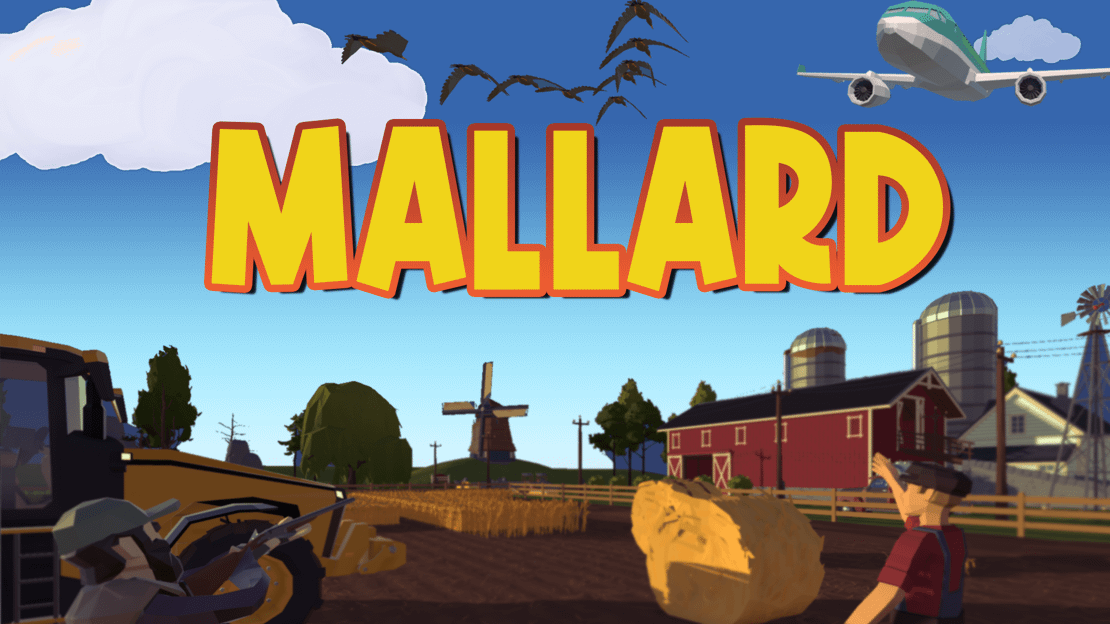
Migratory birds have always struck me as strangely disciplined for wild animals — the V formation, the traded pole position, the total commitment to a destination none of them has ever seen. This prototype is my attempt to turn that fascination into a game: you take charge of a flock of ducks and fly them south before the season turns.
Growing a world out of one tile
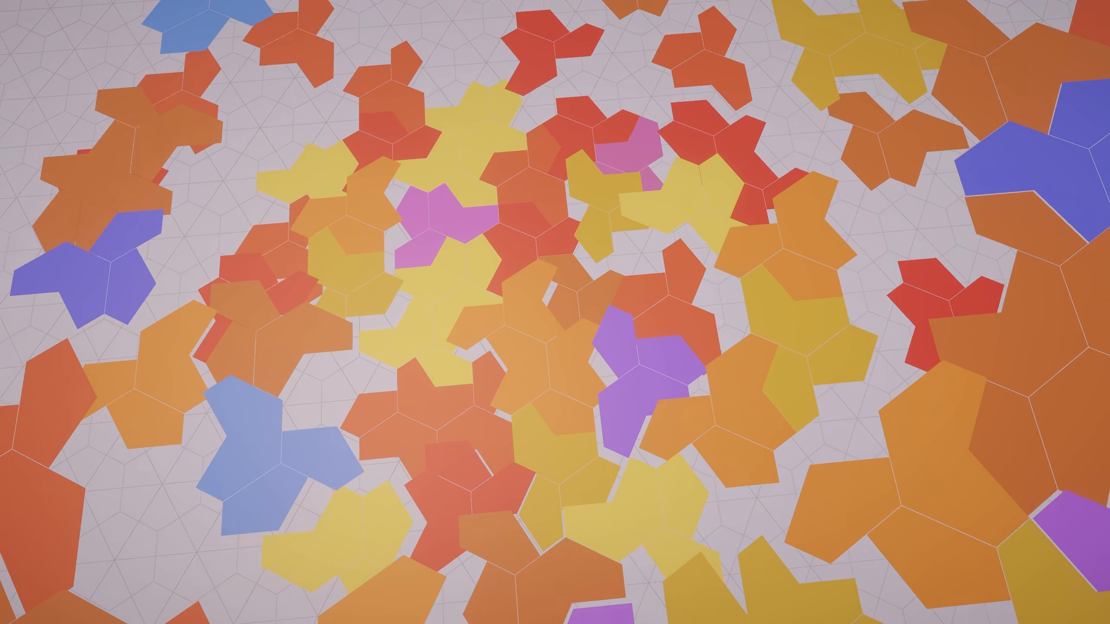
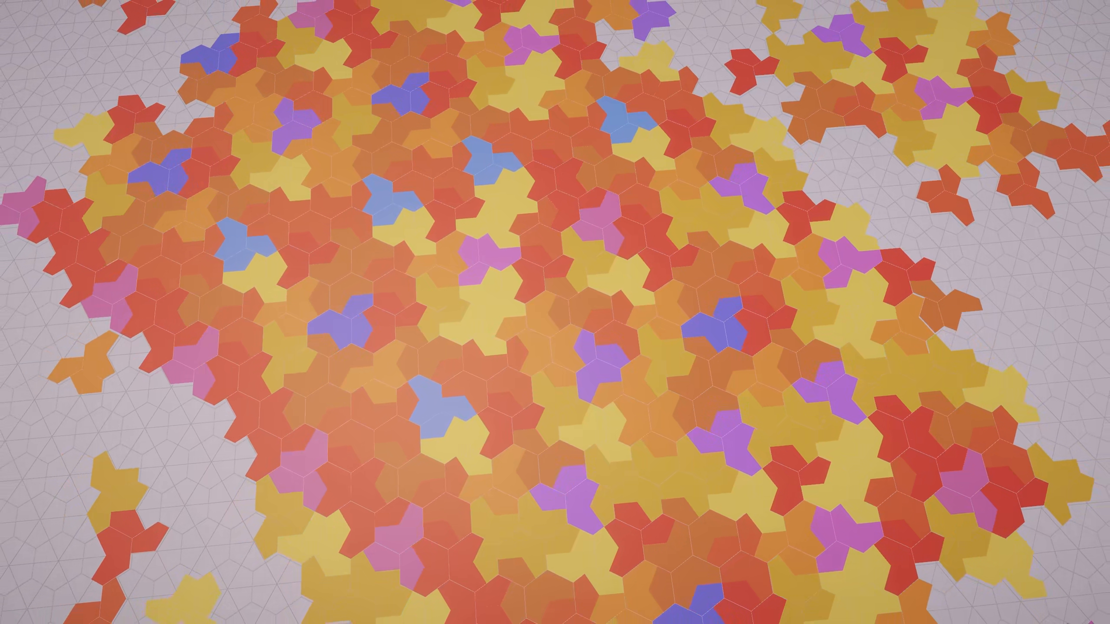
Instead of hand-placing the landscape or generating it from noise, the world here grows from a single aperiodic monotile — the “hat,” described in the research paper by D. Smith, J. S. Myers, C. S. Kaplan and C. G. Strauss. A depth-first search walks a hexagonal grid outward from a starting cell, checking each neighbour against the hat’s own rules and backtracking whenever it paints itself into a corner. The result is written out to a CSV file and read back into Unity, where the placeholder tiles get replaced with terrain, trees and meadows.
The point of going aperiodic is that the ground never quite repeats, so players can’t pattern-match their way across it the way they can on a plain hex grid. The tiling also clusters naturally into larger “metatiles,” which is where hand-built things — a city block, a length of road — get to sit inside the chaotic landscape without looking like they don’t belong.
From hex grid to flyover
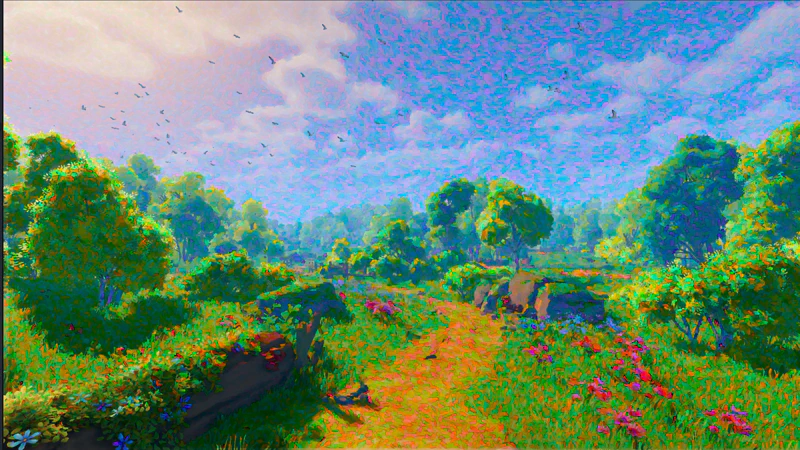
The same October 2023 build produced a short highlight clip: the generator filling in the hex grid from above, then a cut to a first-person flythrough of the finished forest with the flock flying low between the trees, ending on a hand-drawn “MALLARD” title card. None of that flythrough camera or title flow survived into the current build — the generator is what’s left — but it’s proof the pieces worked together at least once.
Where it stands
Right now this is a world generator with a duck-shaped ambition rather than a finished game: the flock is still static, with no pitch control and only rudimentary yaw, and none of the survival systems — stamina, hunger, hazards — exist yet. What’s there is the part I found hardest and most interesting to build: a tiled plane that fills itself in front of you, one legal tile at a time.